
The Role of Music in Globalization
Uniting the world through music while confronting cultural challenges.
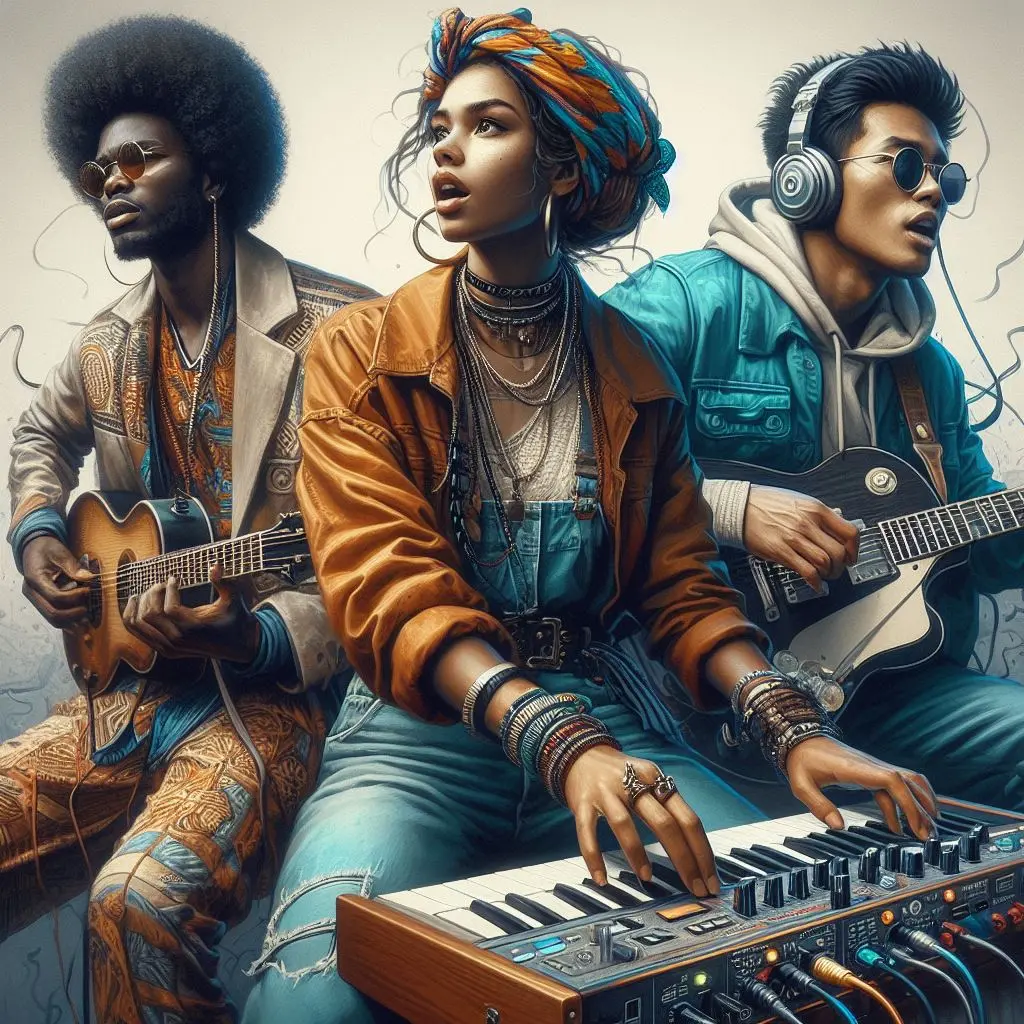
The world is one big village, the popular saying goes. Over the decades, the distance between different countries has gotten smaller. We have countries all over the world banding together for trade agreements and other political affiliations. Then there’s social media. People can now work together from different countries online. So, I tend to agree. The world is one big village. But what’s the role of music in all this?
Music is a global language. That’s another popular saying. It’s fair to expect that music is a big part of bringing the world together. How exactly does it happen? That’s what we’re here for, so let's get into it.

What does history tell us?
All things have a beginning, so let's look at the role of music from way back. There were two main ways countries interacted and the deciding factor was military strength. If both countries were strong enough, they would trade. If one country was much stronger, they would simply invade and take over. It was either trade or colonization.
Music has always been an integral part of culture and community, so interaction between countries eventually led to a steady flow back and forth. Treaties were formed, conquests were made, and the exchange continued. All music needs to move is interaction between different parties. Soldiers at war still took back several practices from their opponents and music was always a big part.
By the time technologies like social media arrived, it only accelerated a process that began centuries ago. Music is not bound by language. It had always moved freely, but the arrival of technology really set things off like a match to dynamite.
Music as a bridge
Genre fusion
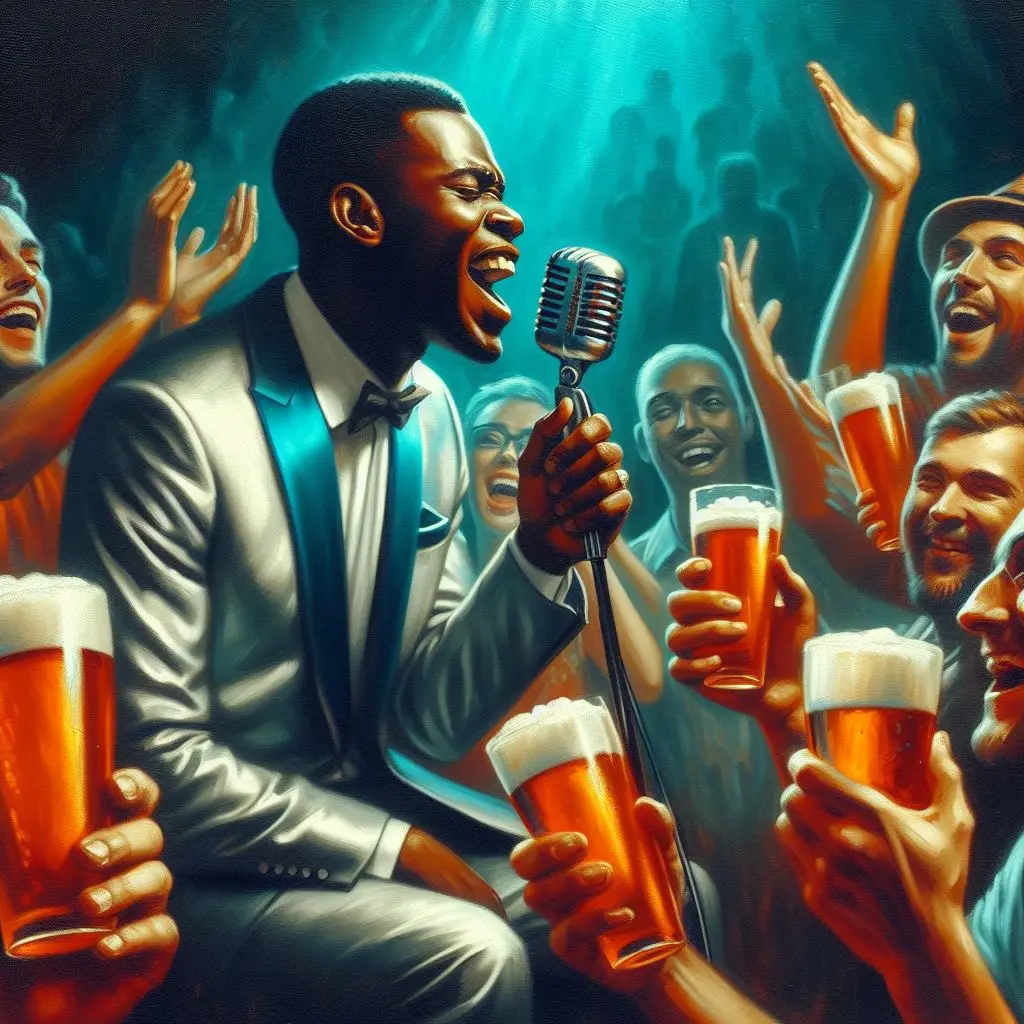
By nature, music is a bridge. That's why there are no genres that cannot be blended to make one sound. Artists listen to music from other places and find a way to fuse it with what they already know. The result is always beautiful. One shining example of this is the Nigerian music industry and Amapiano.
Amapiano is a South African music genre, but Nigerian artists discovered it goes amazingly well with their Afropop and the rest is history. The sound is now so popular in Nigeria that many foreigners make the mistake of thinking Amapiano is originally a Nigerian sound.
Social media
Once upon a time, a letter would travel for weeks before reaching its destination. Today, it takes seconds. Less than a second, even. Social media has shattered physical borders. We no longer need trade or colonization to interact. We've seen genres like K-pop rise to become globally mainstream genres. Do people understand the lyrics? Not really. Do they care? Again, not really.
Music is not bound by language. The one thing that has always been missing is access, and social media has solved that problem. Anyone can access music from any country by pushing a few buttons.
Diaspora
The best example of music moving through the diaspora is Nigerians and Hispanics. One of the biggest reasons for the Latin music boom is that the Latinos in the diaspora didn't abandon their original sound. Artists like Camila Cabello who live in the US are still very vocal about their Latino roots.
It's the same thing with Nigerians. There are Nigerians in almost every country of the world and one of the best ways to identify them is their music. Nigerian artists would go to foreign cities and it would be impossible to ignore because the Nigerian population would turn out en masse.
Controversies
As with anything, there are controversies in globalization through music.
Appropriation
Many people complain that the borderless nature of globalization is too much. Let's go back to the Nigerian example. I told you how Amapiano is now so popular that many foreigners think it’s originally Nigerian. This offends many South Africans. They call it appropriation. So there’s an argument that total freedom to use any sound however you feel is not right.
That said, musical progress has always come from experimentation with different sounds. That’s how we discover new sounds. So where do we draw the line? Stop artists from using sounds from other places and hamper their credibility or leave it open to all and risk appropriation? It’s a question that divides opinions.
Marginalization
As much as we celebrate how music from different places is making waves across the world, this isn’t the case for everyone. There are still many voices we cannot hear. Marginalization is a big problem in the music industry. Some sounds get way more traction than others. One might argue that it’s just what people want to hear, but others will argue that some voices aren’t given the same platform as others.
As music stakeholders, it’s up to us to make sure that no voice is suppressed so we must take such issues seriously. How can we give unheard voices a platform to be heard? Is it even possible for every voice to be heard? These are the issues.
Homogenization
The beauty of music is the diversity. I can go on Spotify and listen to different kinds of music from different places. Artists are encouraged to cross borders with their music. It’s always extra special when an American loves K-pop, a European loves Nigerian music, a Nigerian is belting out Despacito, you catch my drift. That said, if we continue to mix each other’s music, will we eventually run out of where to go?
Is there a danger that music will eventually be so homogenous that there will be no diversity to enjoy? It’s a scary thought.
Final Thoughts
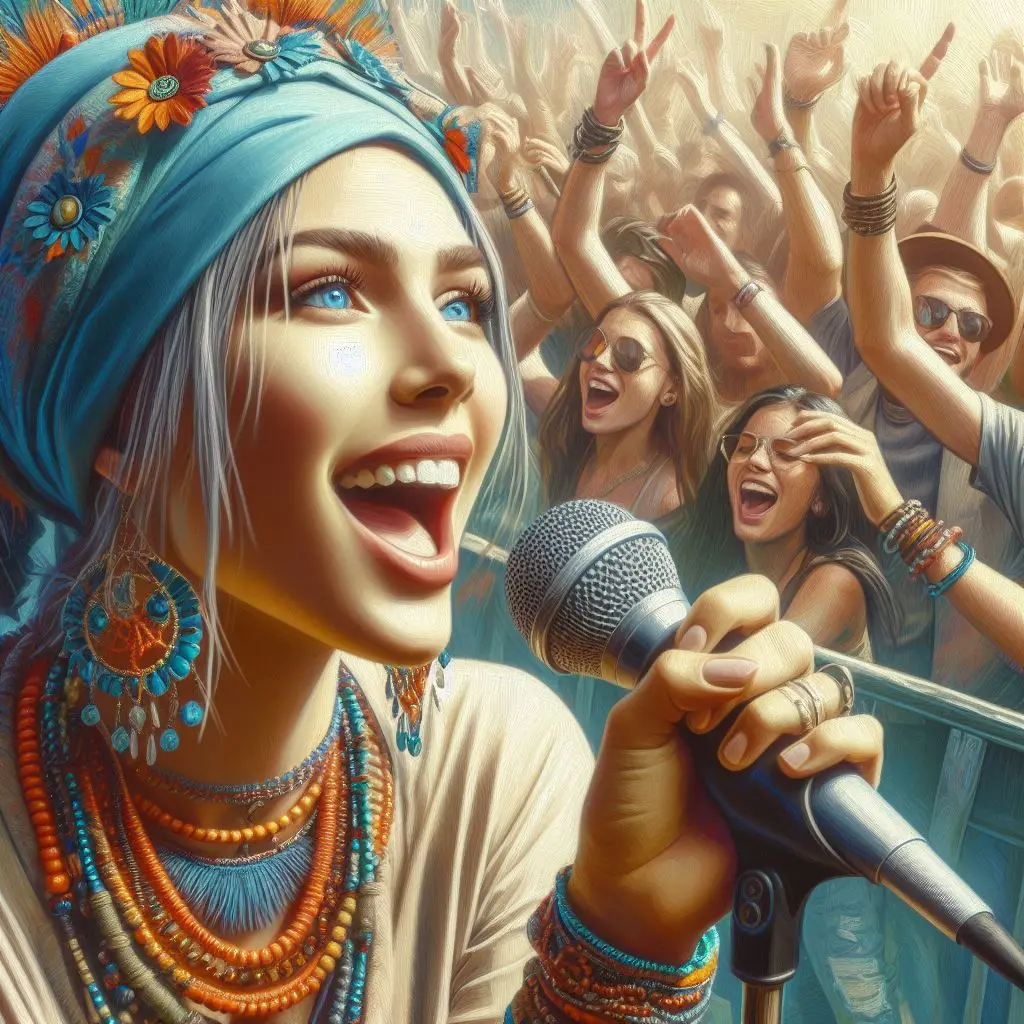
Music has been a huge part of globalization. An Italian and a Canadian can both be spellbound by a Namibian choir without understanding a single word. It’s just the magic of music. It’s one of the few things in the world that does not respect physical borders. This makes music a perfect tool for globalization. If you want the world to be one village, get everyone singing along to the same songs.
As much as music helps bring the world together, it also outlines our differences. Music tells us that we are all different, but that doesn’t mean we can’t be friends. It helps us to appreciate each other while celebrating our differences.
That’s the real globalization dream. Different, but together.
Blog Article Tags
media history technologies bridge genre artists industry socialMore Articles
Where To Find Good Indie Music - If you're a long time fan or first time listener of Indie music, we'll show you the best methods for discovering the music you love.
The Interplay Between Visuals, Music & Success - Let's explore the impact of visuals on artist success & creativity.
The Business Side of Music - How embracing the business side of music can lead to your success.
Ten Skills Every Indie Artist Needs - Here are 10 must learn indie artist skills to push your music career forward.
Common Mistakes of Beginner Indie Artists - Let's explore the most common mistakes indie artist make when starting out.