
Hacking the Algorithms - How Independent Artists Can Beat the System
Independent artists navigate algorithmic challenges to boost visibility on platforms like Spotify and YouTube.
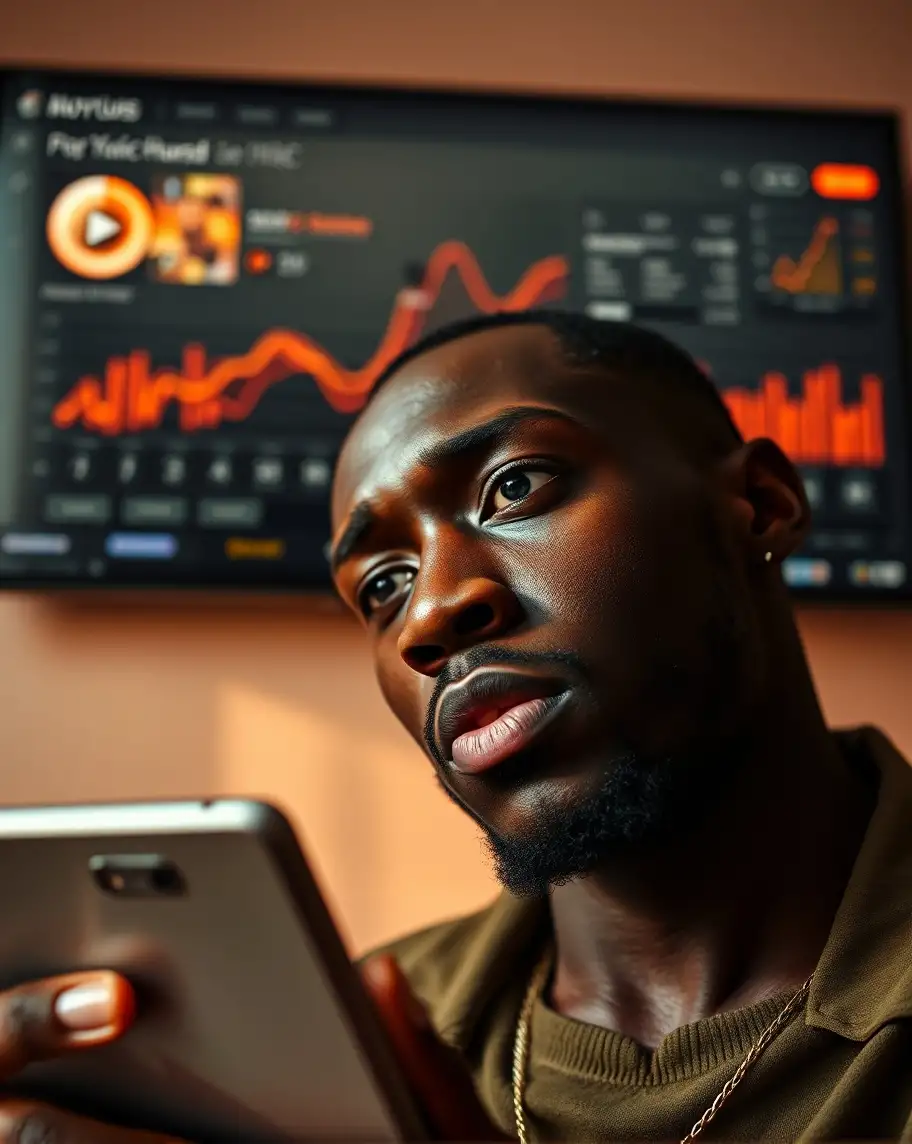
The music industry is becoming increasingly algorithm-driven, challenging artists to find new ways to connect with their audience. Algorithms have become a major force in deciding which songs get heard and which don’t. While it might seem like algorithms would level the playing field, giving everyone an equal shot, the reality is a little more complicated—especially for independent artists.
Algorithms on digital platforms like Spotify, Apple Music, YouTube, and TikTok play a major role in determining what songs you hear. Essentially, these algorithms are complex sets of rules and calculations that help platforms decide which tracks get recommended to users. They analyze your listening habits—like what songs you play on repeat, the artists you follow, and even the mood or genre of the music—to serve up personalized playlists, suggestions, and radio stations.
Think of music algorithms as a smart DJ that knows your taste. They’re constantly sifting through massive amounts of data, including how other users with similar preferences are interacting with certain tracks. The goal is to deliver music that keeps you listening, while also helping the platform highlight new releases, trending tracks, or hidden gems.
For indie artists, these algorithms are crucial to reaching new listeners. However, they can be a double-edged sword. While they offer a shot at viral discovery, they also tend to favor established artists or songs that already have strong engagement.
Understanding how these algorithms work is key to helping independent musicians break through and get noticed in the crowded digital music scene.
How Algorithms Impact Indie Artists
When it comes to releasing new music, indie artists face an uphill battle. Unlike major label artists who have the resources to push their songs into the algorithmic spotlight, independent musicians often struggle to get noticed. Algorithms are driven by data—streams, skips, saves, and listener engagement. If an indie artist’s song doesn’t perform well within the first 24 to 48 hours of release, it may not be recommended as much by the algorithm, effectively limiting its exposure.
The problem is that indie artists don’t have the massive marketing budgets or established fanbases that bigger artists do. Without this initial push, it’s easy for their music to fall through the cracks, leaving them stuck in an endless loop of trying to get the algorithm's attention.

The Differences Between Platforms
Each platform uses a slightly different algorithm to curate music:
- Spotify: Spotify is well-known for its data-driven approach to music curation. The platform's algorithm heavily relies on listener behavior—how long someone listens to a song, whether they add it to a playlist, and if they share it with others. Spotify places significant weight on a song's performance within the first few days of its release. The more streams saves, and playlist additions a track gets in this crucial period, the more likely it is to appear on influential playlists like Discover Weekly and Release Radar. If an indie artist releases a new single and encourages fans to stream, save, and add it to their personal playlists. Within the first 48 hours, the song gains a lot of traction, catching the attention of Spotify's algorithm. As a result, it gets added to Discover Weekly playlists for users with similar music tastes, expanding its reach.
- YouTube: Prioritizes watch time and engagement. The more likes, comments, and shares your video gets, the more likely it is to show up in someone’s recommendations. YouTube also favors consistency, so posting regularly can help your chances of being pushed by the algorithm. For instance, an indie artist releases a music video and prompts viewers to like, comment, and share it. They consistently upload additional content such as behind-the-scenes clips, lyric videos, and live performances. This steady stream of engagement and frequent uploads signals to YouTube's algorithm that the channel is active and valuable, resulting in more recommendations and an expanding subscriber base.
- Apple Music: Apple Music takes a more curated approach, relying on human editorial playlists while still using algorithms for personalized recommendations. The platform's algorithms come into play, especially in personalized playlists like "For You." Here, the engagement and performance of your track can influence whether or not it gets added to more curated lists. While Apple Music might not rely as heavily on data-driven algorithms as Spotify, listener engagement still matters. For example, an indie artist releases a new EP and optimizes their metadata, including genre, mood, and instruments. The detailed information helps Apple Music's curators place the tracks in appropriate editorial playlists. Meanwhile, the algorithm also includes the songs in personalized playlists for listeners who enjoy similar genres.
- TikTok: TikTok's algorithm is one of the most powerful tools for music discovery today. It prioritizes content that quickly garners engagement—likes, comments, shares, and especially video recreations. TikTok can catapult a song to viral status if it becomes the soundtrack for a popular trend or challenge. The platform's For You Page (FYP) is the main stage, where videos are shown to users based on their past interactions and preferences, giving indie artists a unique opportunity to reach millions of listeners almost overnight. For example an indie artist releases a catchy snippet of their song on TikTok with a simple dance challenge. The trend catches on, with thousands of users creating their versions of the dance. The song's viral momentum on TikTok leads to an increase in streams on other platforms like Spotify and Apple Music.
Each platform has its algorithmic formula that affects how music is discovered and promoted. For indie artists, understanding these differences is crucial to tailoring their release strategies. Spotify's data-driven focus requires early listener engagement, YouTube rewards consistent and engaging content, Apple Music values human curation alongside engagement, and TikTok offers the chance for viral exposure through creative engagement.
By adapting to these varying algorithms, indie artists can maximize their chances of getting their music in front of the right audiences and building a dedicated fanbase.
Tips for Indie Artists to Beat the Algorithm
Breaking through the noise as an indie artist in a world run by algorithms can feel overwhelming, but there are ways to tip the scales in your favor.
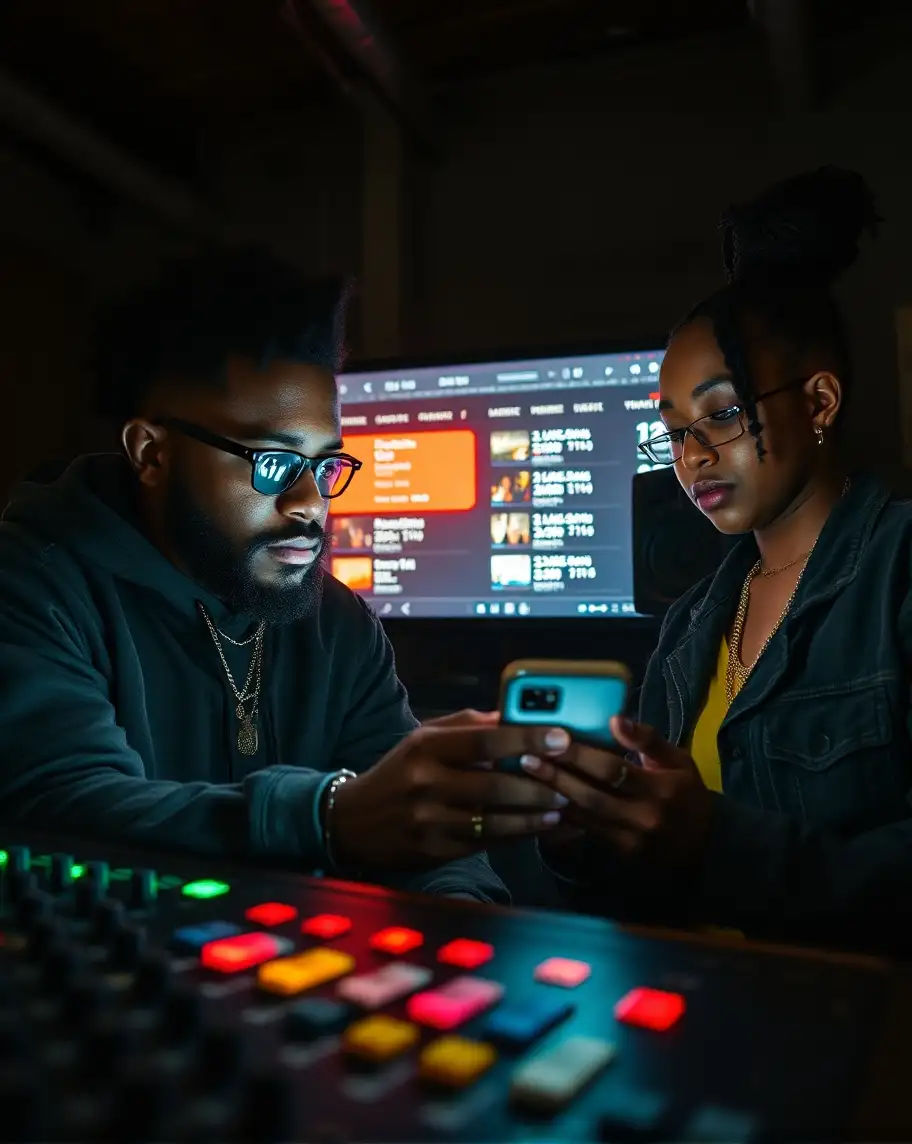
Here’s a breakdown of some key strategies to help you get ahead:
- Engage Your Audience Early: The first 24-48 hours after your release are crucial. Get your fans to stream, save, and share your track right away to boost its algorithmic performance.
- Leverage Social Media: Platforms like Instagram, Twitter, and TikTok can build hype and generate early streams, which directly helps your ranking in the algorithm.
- Collaborate with Other Artists: Cross-promotion is a powerful tool. Teaming up with other indie artists can open the door to new audiences, benefiting both artists.
- Optimize Your Metadata: Be sure your tracks include detailed information—genre, mood, and instruments. This helps algorithms place your music in the right spots for discovery.
- Explore Immersive Content: Jump on new tech trends like Dolby Atmos or AR/VR experiences to stand out on platforms pushing these innovations.
- Focus on Valuable Listeners: Instead of chasing massive playlists, connect with dedicated fans who will stick with you for the long haul.
- Use Playlist Submission Tools: Submitting your music to independent playlist curators increases your chances of getting featured without the need for big-budget campaigns.
- Consistency is Key: Regularly posting new music or content keeps you fresh in the algorithm’s eyes, improving your chances of being recommended.
Final Thoughts
The shift toward algorithmic curation has certainly changed the game for indie artists. While it can be challenging to break through, understanding how different platforms work and focusing on early engagement can give you a fighting chance. The key is to play smart—use every tool at your disposal to get noticed, from social media promotion to playlist submissions.
By focusing on early engagement, optimizing metadata, and leveraging visual content, indie artists can tip the scales in their favor and make the most of a music landscape increasingly driven by data and algorithms.
Algorithms may be the gatekeepers, but with the right strategy, you can get your music heard in a world that’s increasingly dominated by data-driven decisions.
Remember, it's not just about chasing the algorithms; it's about building a genuine connection with your audience while using every tool at your disposal to get your music heard.
Blog Article Tags
Indie Exposure Marketing Listeners Platform Fans Strategy RecommendationsMore Articles
Where To Find Good Indie Music - If you're a long time fan or first time listener of Indie music, we'll show you the best methods for discovering the music you love.
Are the Grammys Losing Credibility? - Are lower ratings and controversy leading to a loss of credibility for the grammys? Let's discuss.
Seven Tips on Playing the Bass Guitar - Learn from the pros is a great way to kick start your bass guitar playing.
Careers in the Music Industry - Let's break down how to find success in all areas of the music industry.
Exploring Indie Music Scenes from Around the World - Lets celebrate the vibrant indie music scene from around the world.