
Empowering All Musicians: The Role of Assistive Technologies in Inclusive Music Education
Assistive technology is transforming music by enabling everyone to explore, create, and enjoy music, making education inclusive.

Music is a universal language that knows no boundaries, and with the advent of assistive technology (AT), this statement rings truer than ever. Assistive Technology is shaking up the music world by giving people of all abilities the chance to explore, create, and enjoy music. Whether you're just starting, living with a physical disability, or have low vision or blindness, assistive technologies open doors to musical expression for everyone.
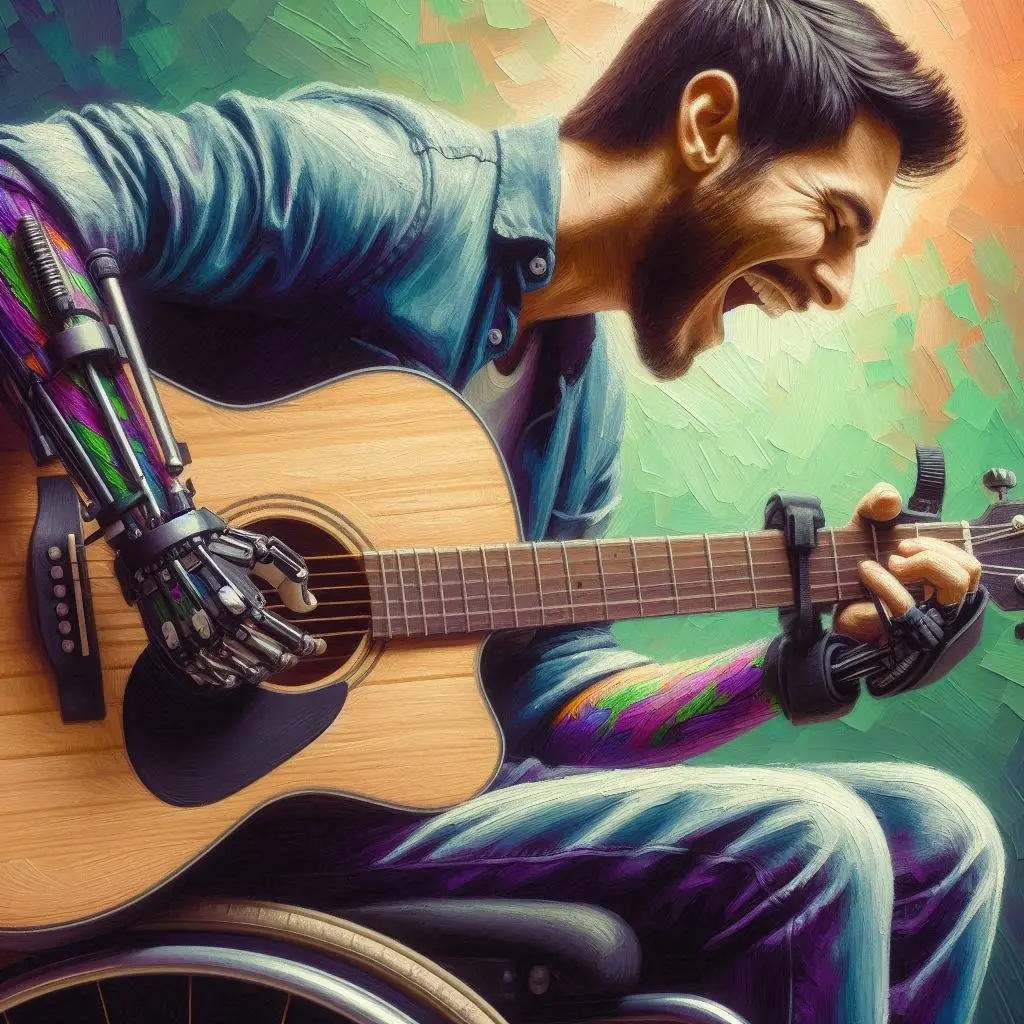
Imagine a talented musician with limited mobility using a Jamboxx, a breath-powered instrument, to perform in a band. The Jamboxx lets them play music using their breath and head movements, turning their limitations into a powerful musical voice.
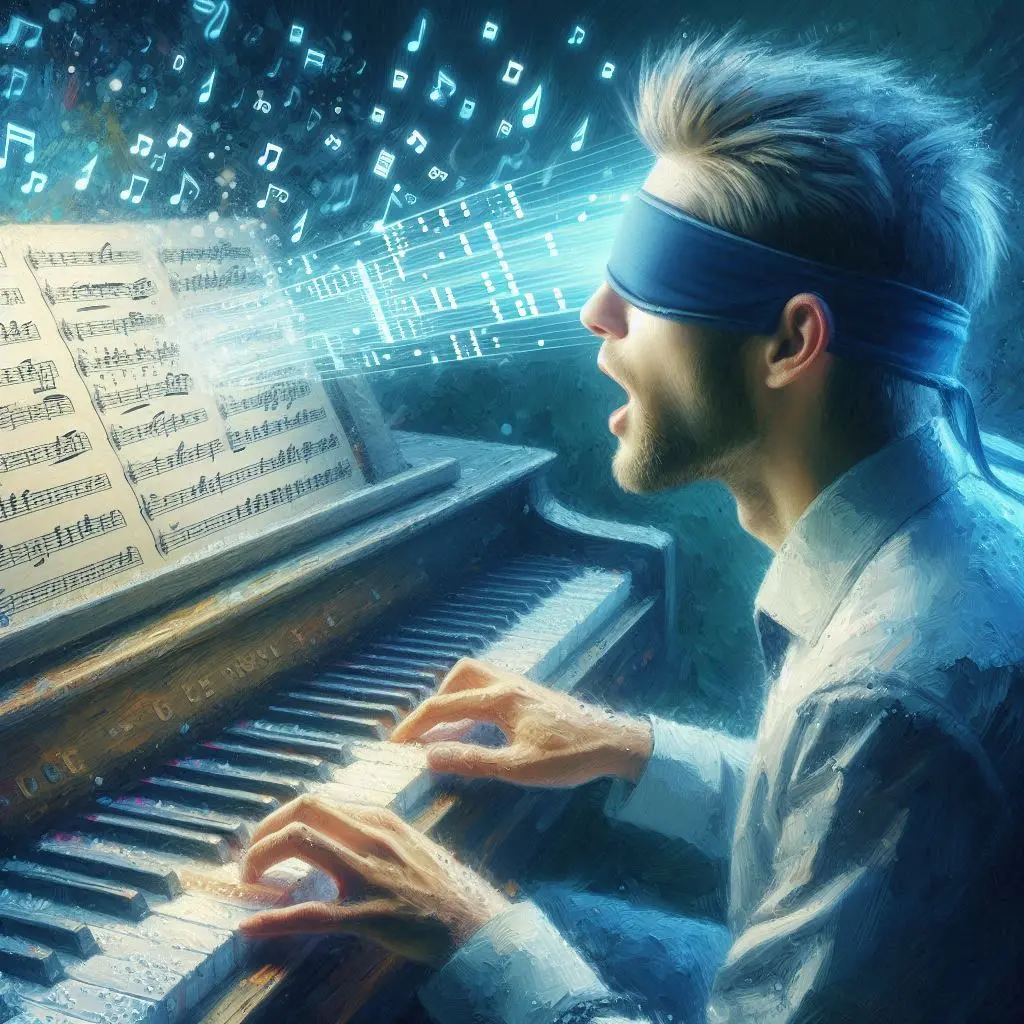
Or picture a visually impaired composer using Logic Pro X with built-in accessibility tools to create a stunning symphony. VoiceOver support guides them through the software, allowing them to compose, edit, and produce music just like any other artist.
These are just a couple of ways assistive technology is making a big difference in music education and performance, ensuring everyone has the opportunity to find their groove and make beautiful music.
Making Music for Everyone: The Scoop on Inclusive Music Education
Ever thought about how cool it would be if every student, no matter their abilities, could rock out in music class? That's the whole idea behind Inclusive Music Education. It's all about making sure that kids with physical, cognitive, or sensory disabilities can jump in and enjoy making music just like everyone else. Assistive technologies are the game-changer here.
These tools help tweak and tune the music-learning process to fit everyone's needs. From instruments you can play with one hand to apps that help you compose a symphony with just a tap, these innovations are opening up the world of music to all students.
Adaptive Musical Instruments
Skoog The Skoog is a soft, flexible MIDI controller designed for individuals with special needs. This tactile instrument reacts to touch, squeeze, and other manipulations, producing various sounds. It can be used with software like GarageBand for a comprehensive music-making experience.
Tip: Always explore the software settings to customize the Skoog's sensitivity and sound mappings to fit the user's specific needs and preferences.
Jamboxx Jamboxx is a hands-free, breath-powered instrument that allows individuals with limited mobility to play music using breath and head movements.
Reminder: Ensure the Jamboxx is properly calibrated for breath sensitivity to match the user's comfort and ability, enabling a smoother playing experience.
Music Notation Software
Notion and Sibelius These programs include features like screen reader compatibility, keyboard shortcuts, and enlarged notation for visually impaired students.
Tip: Regularly update the software to access the latest accessibility features and improvements, ensuring an optimal user experience.
Braille Music Notation Software like Goodfeel translates standard music notation into braille, enabling visually impaired students to read and write music.
Reminder: Pair the software with a high-quality braille embosser to produce clear, accurate music notation.
Digital Audio Workstations (DAWs)
Logic Pro X and GarageBand These DAWs have built-in accessibility features, such as VoiceOver support, allowing visually impaired users to compose, edit, and produce music.
Tip: Take advantage of online tutorials and community forums to learn how to fully utilize the accessibility tools available in these DAWs.
FL Studio FL Studio offers customizable interfaces for user-friendly layouts tailored to individual needs, making it accessible for users with various disabilities.
Reminder: Experiment with different interface configurations to find the setup that best supports the user's workflow and creative process.
Assistive Technology Devices
EyeGaze Technology Systems like Tobii Dynavox enable users to control software and create music using eye movements, beneficial for individuals with severe physical disabilities.
Tip: Regularly calibrate the EyeGaze system to ensure precise tracking and minimize user frustration.
Switch-Activated Devices Devices like the Switch Ensemble allow users to control musical instruments and software through switches activated by different parts of the body.
Reminder: Position the switches in easy-to-reach locations and adjust their sensitivity to match the user's physical abilities.
Mobile Apps
ThumbJam This app uses the accelerometer and touch screen to create music, accessible for individuals with physical disabilities.
Tip: Customize the app's interface to simplify navigation and control, making it more user-friendly.
Soundbeam Soundbeam translates physical movements into music, allowing students with physical disabilities to create music through movement.
Reminder: Ensure the environment is free from obstacles that could interfere with the movement tracking and musical output.
Wearable Technology
Mi.Mu Gloves These gloves use sensors to translate hand movements into music, providing a way for individuals with limited dexterity to create music.
Tip: Practice with the gloves regularly to build familiarity and improve the precision of musical gestures.
Specdrums Ring-like devices that produce musical sounds when tapped on different surfaces, accessible to individuals with various motor skill levels.
Reminder: Experiment with different surfaces and tapping techniques to discover a wide range of sounds and musical possibilities.
Virtual Reality (VR) and Augmented Reality (AR)
VR Music Creation Tools Platforms like Virtuoso VR offer immersive environments where users can create and interact with music in virtual spaces, accessible for students with various disabilities.
Tip: Use VR music tools in a safe, spacious area to prevent any physical accidents while immersed in the virtual environment.
AR Music Education Apps Apps that overlay musical instructions and interactive elements onto the real world, helping students with learning disabilities engage more effectively.
Reminder: Keep the AR devices clean and updated to ensure smooth operation and clear visual displays.
Interactive Whiteboards and Touchscreens
SMART Boards Interactive whiteboards facilitate collaborative music education experiences, allowing students with different abilities to participate actively.
Tip: Incorporate interactive activities and games to make learning more engaging and enjoyable for all students.
Large Touch Screens Enable students with physical disabilities to interact with music software and instruments through touch.
Reminder: Adjust the screen height and angle to make it accessible and comfortable for all users.
Speech Recognition and AAC Devices
Speech Recognition Software Programs like Dragon NaturallySpeaking help students with physical disabilities compose and edit music through voice commands.
Tip: Train the software to recognize the user's voice and commands accurately by performing regular voice training sessions.
Augmentative and Alternative Communication (AAC) Devices Assist students with communication impairments in expressing their musical ideas and participating in music classes.
Reminder: Update the AAC device's vocabulary and commands to keep up with the user's evolving communication needs.
Online Learning Platforms
Accessible Online Music Lessons Platforms like Soundtrap and BandLab offer accessible interfaces and collaborative features, allowing students with disabilities to participate in online music education.
Tip: Engage in online communities and forums to share experiences and learn new techniques for using these platforms effectively.
With the help of these innovative assistive technologies, music education is becoming more inclusive, allowing every student to explore their musical potential and express their creativity.
Final Thoughts
Assistive technologies have made a huge impact on Inclusive Music Education. These tools give musicians the chance to explore music education, sparking creativity, expression, and a genuine love for music, no matter their physical, cognitive, or sensory challenges. They also help build independence and self-confidence, boosting self-esteem and overall quality of life.
Moving forward, it's important to create a culture of inclusivity and spread the word about how awesome assistive technology can be in music education.
By doing this, we can make sure every musician gets to explore their musical potential and enjoy making music.
Blog Article Tags
musician education mobility composer tools expression students cognitiveMore Articles
Where To Find Good Indie Music - If you're a long time fan or first time listener of Indie music, we'll show you the best methods for discovering the music you love.
Useful Tools to Enhance Your Exposure in Social Networks as an Indie Artist - Maximize your social media reach with these powerful easy to use tools.
Building The Right Public Image as an Indie Artist - I'll show you the importance of building your public image with some helpful tips.
The Evolution of Music - Let's walk through the history and evolution of the creation of music.
Top 10 Best Guitar Accessories - I show you the top 10 essential guitar accessories for better performance.